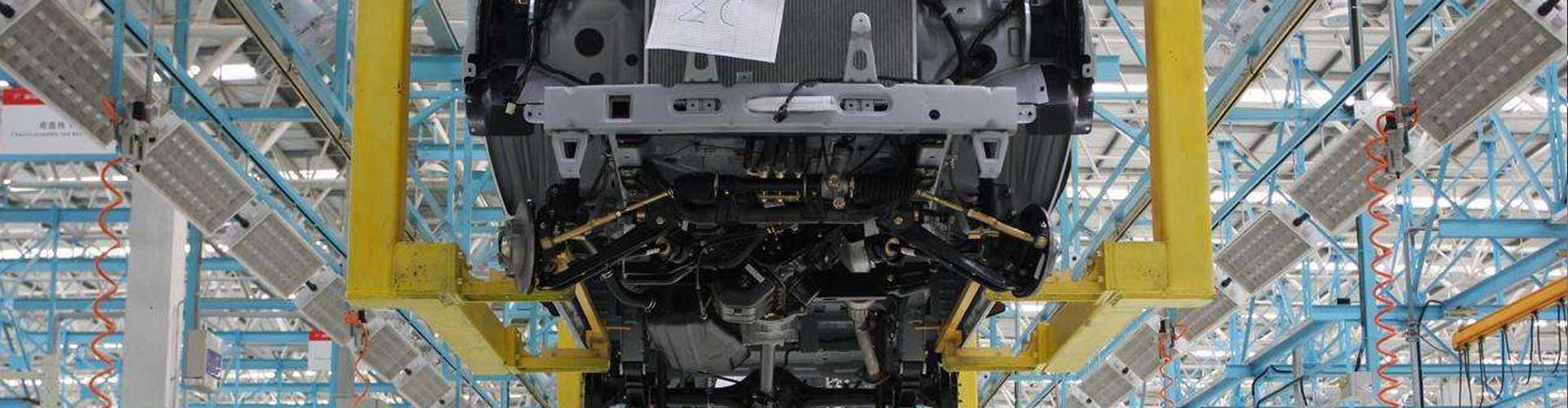
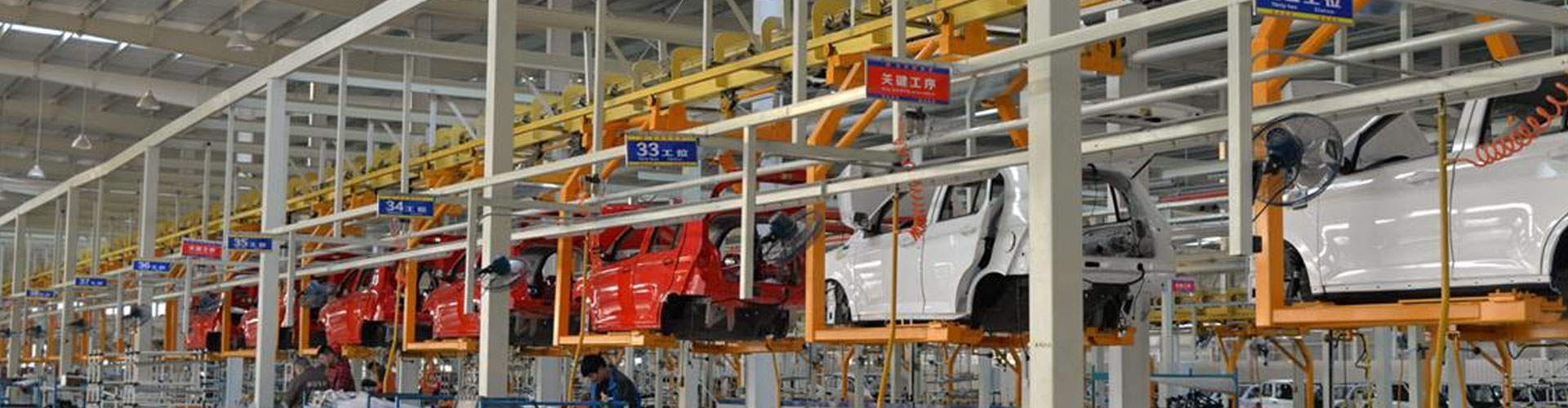
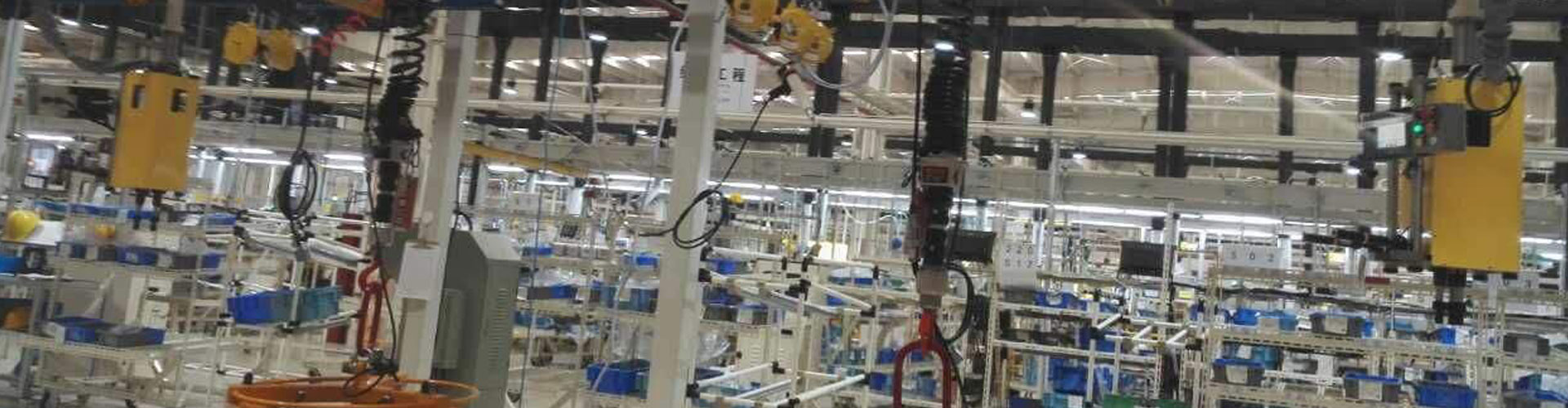
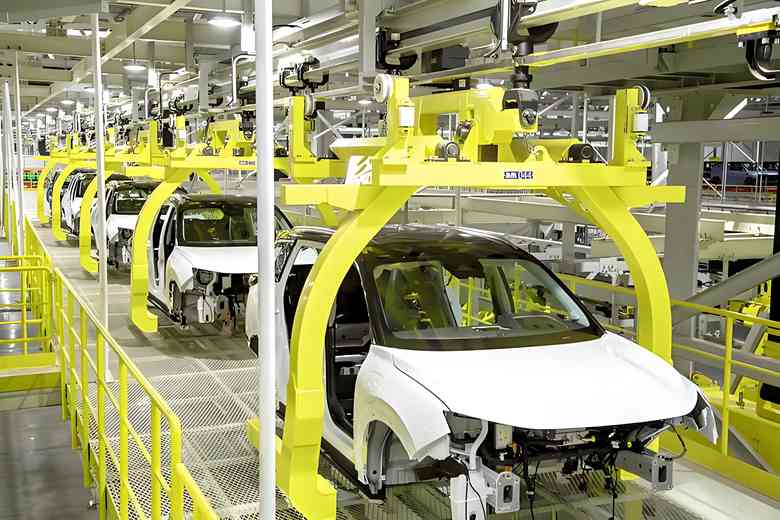
Planning an electric vehicle assembly production line is a complex systemic project that must comprehensively balance seven key factors: production capacity, process design, human-machine ratio, technology selection, quality control system, cost budget, and environmental requirements, in order to achieve efficient, high-quality, and sustainable large-scale production.
Detailed Summary:
The planning of an electric vehicle assembly production line requires systematic consideration from the following seven dimensions:
1. Production Capacity (Capacity Planning)
This is the starting point of planning. It is necessary to clarify the target output within a unit of time (such as per hour or per day), based on which the physical length of the production line, the number of workstations, and the overall configuration are designed. The plan needs not only to meet production demand but also to ensure that the production line can maintain stable operation and efficiency under high load.
2. Workflow (Process Layout)
A coherent and efficient process flow must be designed. Typical flows include component delivery, frame welding/assembly, battery pack assembly, circuit wiring and connections, etc. Reasonable process design aims to eliminate waiting time, reduce material handling waste, and ensure smooth production rhythm.
3. Human Resources (Human-Machine Collaboration)
It is necessary to accurately calculate the number of personnel required at each workstation and their skill levels. Since electric vehicle assembly involves complex wiring or installation of non-standard parts, it still requires substantial manual participation. Therefore, the plan must include employee skill training and performance management systems to ensure operational efficiency and quality.
4. Equipment and Technology (Hardware Investment)
Automation or semi-automation equipment (such as robotic arms, automatic screwdrivers, conveyor lines) with stable performance and high reliability must be selected according to production process requirements. At the same time, planning for routine maintenance and technology update cycles of the equipment is necessary to ensure long-term stable operation of the production line.
5. Quality Control (Quality Assurance System)
Quality control points and online inspection equipment (such as insulation testing and torque re-inspection) must be set at key workstations. By establishing a complete quality management system, the entire production process can be monitored to ensure products meet standards and continuous quality improvement through data analysis.
6. Cost Control (Economic Efficiency)
A full lifecycle cost calculation should be conducted during the planning stage, considering initial equipment investment, raw material procurement costs, long-term labor costs, and operation and maintenance expenses. Optimizing the design can reduce overall manufacturing costs and enhance product market competitiveness and enterprise profitability.
7. Sustainable Development (Green Manufacturing)
This is an increasingly important emerging factor. Planning needs to consider resource recycling, reduction of waste and pollutants. For example, using environmentally friendly materials, implementing energy-saving production equipment, and optimizing energy structure, in response to global environmental trends and achieving green production.
Previous: How is an electric vehic...
Next: No more results