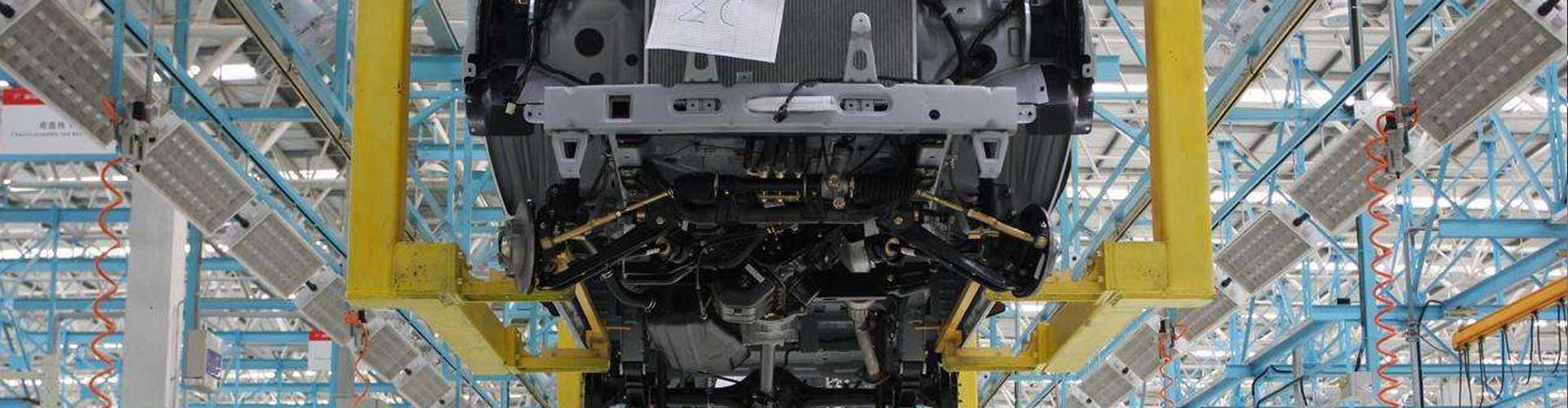
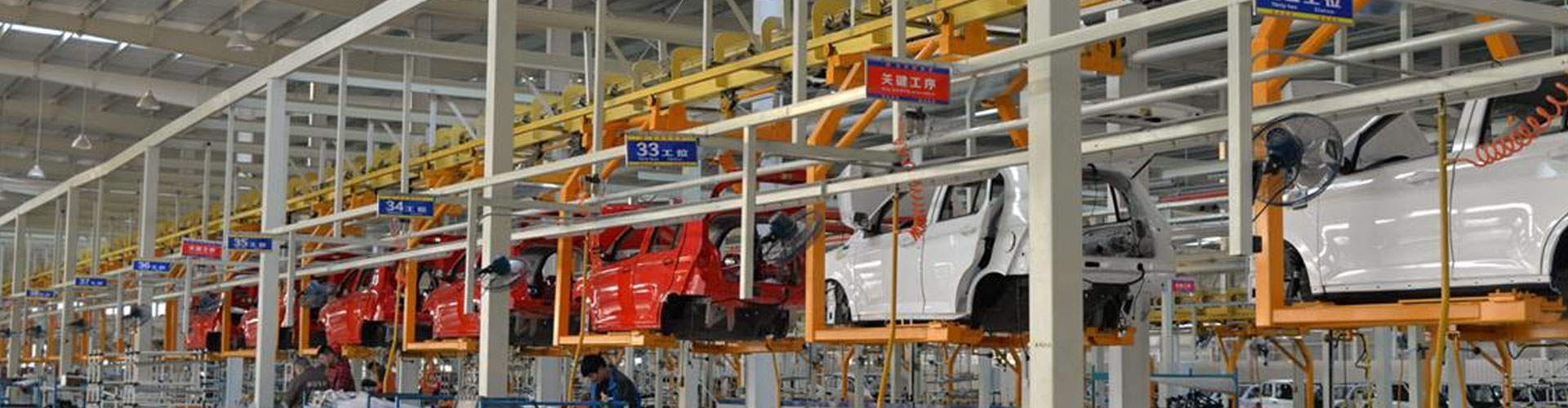
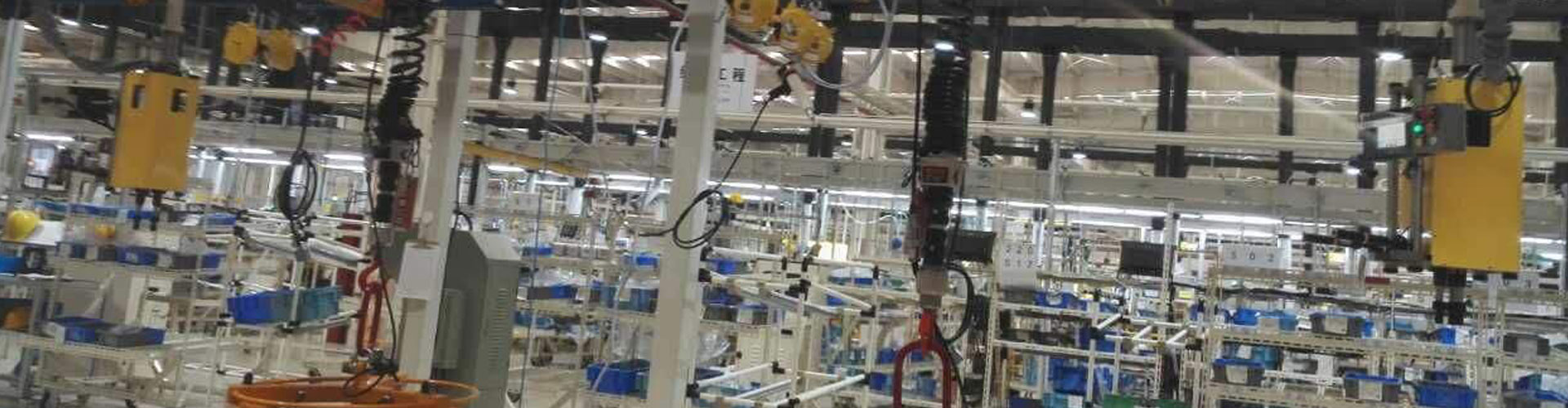
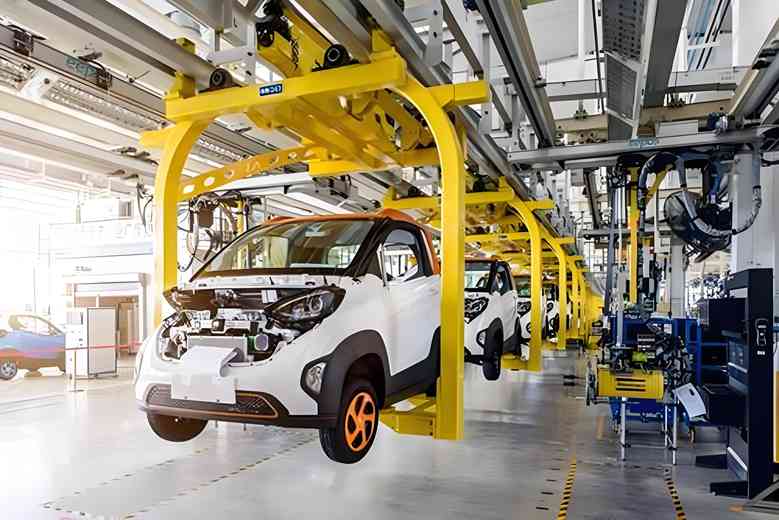
The electric vehicle automated production line is achieved through the coordinated operation of five core elements: scientific design and planning, automated equipment, sensors and control systems, data analysis optimization, and human-machine collaboration, enabling efficient, high-quality, large-scale production.
Detailed summary:
The realization of an electric vehicle automated production line is a systematic project, mainly including the following five key aspects:
Design and Planning: Conduct overall layout, equipment selection, and process flow design before construction. The goal is to maximize production efficiency, reduce energy consumption, and ensure the production line is flexible enough to adapt to mixed production of different vehicle models.
Automated Equipment Application: Centered on robots, automated assembly lines, and conveyor belt systems, these handle key processes such as welding, assembly, and painting, playing an essential role in tasks with high repetition and precision requirements (such as body welding and battery installation).
Sensors and Control Systems: Various sensors monitor the position, temperature, pressure, and other states of components in real time. Combined with control systems, centralized monitoring and scheduling of the entire production line ensure process stability and product quality.
Data Analysis and Continuous Optimization: Collecting various data during the production process helps identify bottleneck stages. Efficiency and yield are continuously improved by optimizing process flows and adjusting equipment parameters.
Human-Machine Collaboration: Although highly automated, human involvement is still needed for non-standard, complex, or abnormal handling tasks. Operators intervene in real time through monitoring systems, achieving the complementary advantages of humans and machines.
In summary, electric vehicle automated production lines do not simply rely on machines to replace humans. Instead, they build an efficient, intelligent, and flexible manufacturing system through technology integration and systemic coordination.
Previous: What equipment is there ...
Next: What key factors need to...