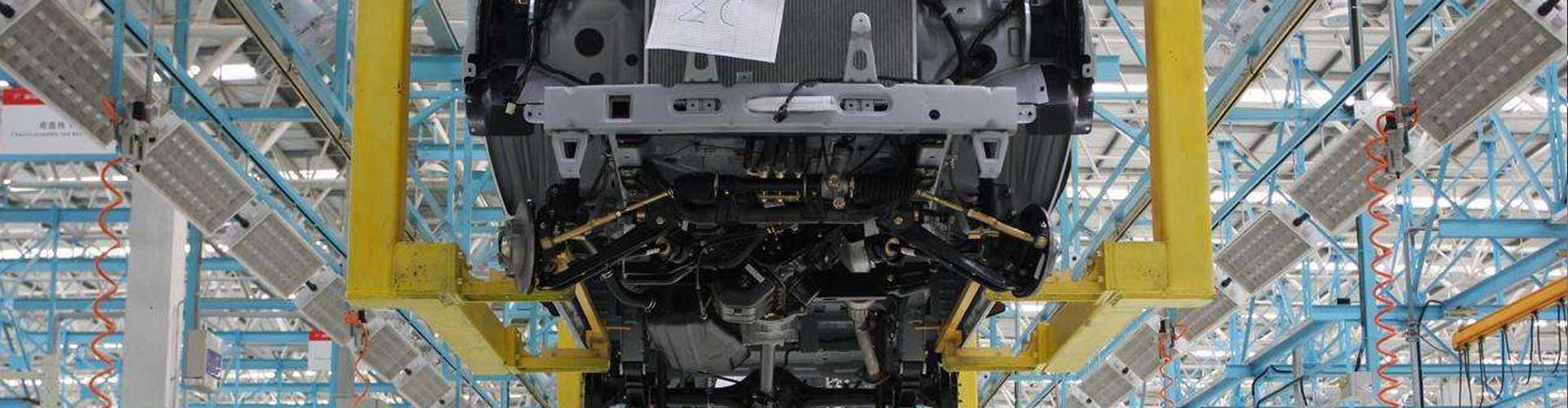
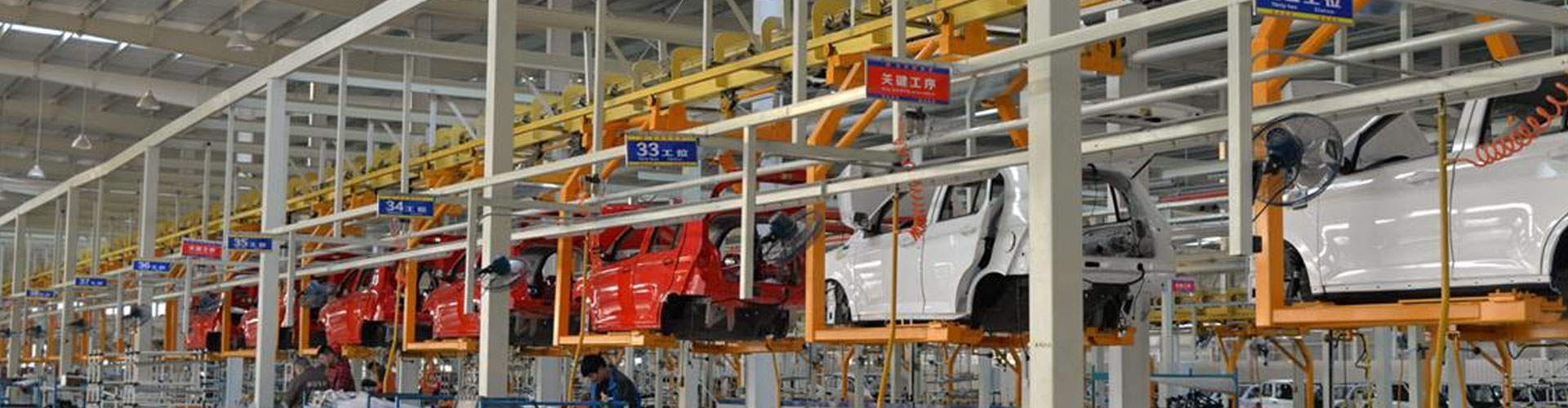
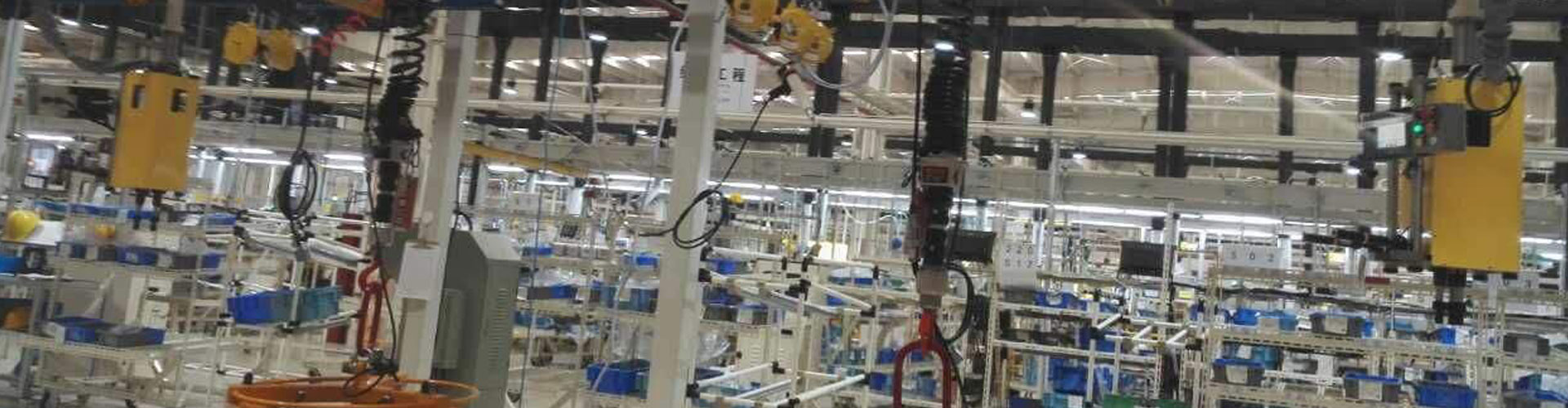
In today's rapidly changing manufacturing environment, enterprises generally face pressure to improve production efficiency and reduce costs. As the core of modern electric vehicle production, electric vehicle assembly lines can significantly enhance production efficiency. However, how to design an efficient electric vehicle assembly line remains a concern for many manufacturers. Many enterprises often encounter problems such as unsmooth processes and
improper equipment use in process design, and these pain points often affect production efficiency. Therefore, understanding the key steps in electric vehicle assembly line design can help enterprises improve production efficiency and adapt to market changes.
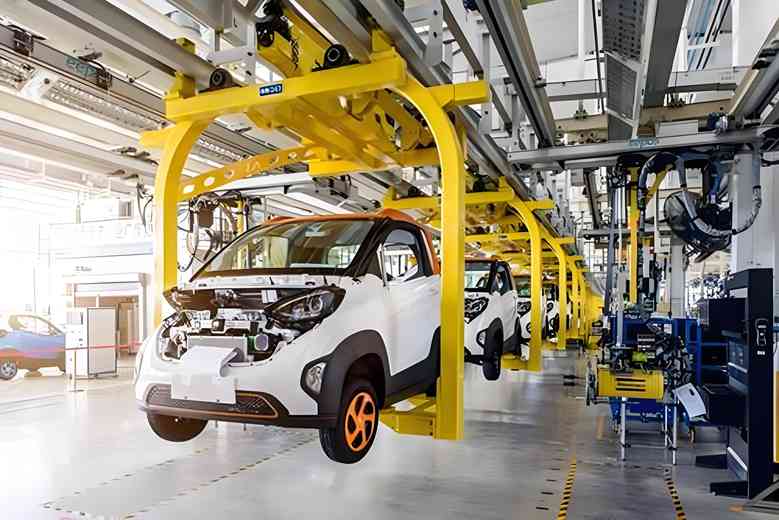
Before designing an electric vehicle assembly line, clarifying production needs and goals is a crucial step. Enterprises need to conduct a detailed analysis of product types, production quantities, production frequency, and cycles. According to data, 68% of enterprises have poor results in optimizing production processes due to a lack of clear production goals. Therefore, conducting market analysis and demand assessment can ensure that the production line design matches actual needs. For example, an automobile manufacturer successfully formulated quarterly production goals through detailed analysis of market demand, enabling the assembly line to efficiently meet peak demand.
After clarifying production goals, selecting suitable equipment and technology is the key to improving production efficiency. Currently, there are many types of automation equipment, from robotic arms to automatic conveyors, which should be selected according to production needs. According to research, using advanced automation equipment can increase production efficiency by over 30%.
The layout of the assembly line directly affects production smoothness and operational efficiency. Reasonable assembly line design can reduce worker movement distance and material handling time. According to experience, if the assembly line layout is unreasonable, it may cause operational delays between equipment and material accumulation, thereby affecting production efficiency. When designing processes, layouts such as U-shaped and L-shaped are usually adopted to form a more compact workflow for equipment.
System integration is an important step in electric vehicle assembly line design. Effectively integrating various equipment, sensors, control systems, etc., ensures the smoothness of the production process. Implementing comprehensive automation testing is also a necessary link to promptly discover and solve potential problems. Data shows that 85% of manufacturing enterprises found design loopholes during automation testing, made adjustments, and reduced the risk of production interruptions. For example, after a pharmaceutical company implemented assembly line integration and made test adjustments, the problem rate dropped from 10% to 2%.
After the electric vehicle assembly line is put into production, continuous monitoring and optimization are also essential links. Enterprises should regularly evaluate production processes, use data analysis tools for performance monitoring, and promptly obtain room for improvement. Data shows that continuous process optimization can increase production efficiency by 15%. By introducing real-time monitoring systems and promptly adjusting production strategies, continuous production efficiency can be maintained.
Previous: No more results
Next: How does the equipment o...